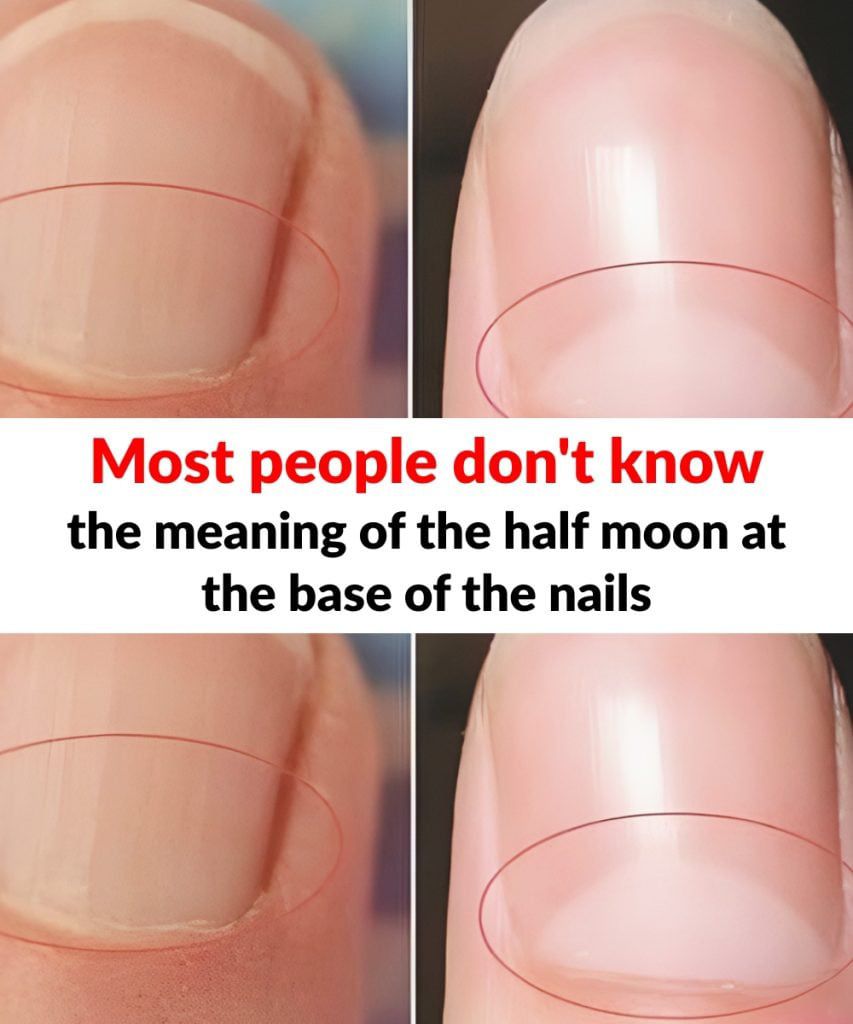
Have you ever noticed the small, whitish crescent at the base of your fingernails or toenails and wondered about its significance? This subtle, half-moon-shaped feature, known as the lunula, is more than a simple cosmetic detail—it is a window into your overall health. While it may appear insignificant at first glance, understanding the lunula can provide fascinating insights into the body’s internal functioning, including circulation, organ health, and even potential nutritional deficiencies.
In this comprehensive guide, we will explore the anatomy of the lunula, its role in nail and body health, variations in appearance, and what these changes may indicate. We will also discuss common misconceptions, practical observations, and tips for maintaining nail health to keep the lunula prominent and healthy. By the end of this article, you will have an in-depth understanding of this often-overlooked feature and what it might reveal about your overall well-being.
What Is the Half-Moon at the Base of the Nails?
The half-moon at the base of the nail is medically known as the lunula. Its name derives from the Latin word for “little moon,” and it is named so because of its crescent-like shape. Typically, it appears as a pale or whitish area just above the cuticle, forming a subtle arc.
Anatomy of the Lunula
The lunula is part of the nail matrix, which is the tissue responsible for producing new nail cells. It is visible through the nail plate, which is the hard, protective layer we see externally. The nail matrix generates keratin—the protein that forms the nail—and the lunula represents the portion of the matrix that is not yet fully hardened, giving it a lighter color.
The lunula is most prominent on the thumbs and may be less visible or even absent on smaller fingers or toes. Its size, shape, and visibility can vary from person to person, often influenced by genetics, skin tone, and age.
The Function of the Lunula
While the lunula is often overlooked, it plays a critical role in nail growth and overall nail health.
Nail Growth Initiation:
The lunula is the visible part of the matrix, where new nail cells are formed. These cells gradually harden as they grow outward, forming the nail plate that extends over the fingertip.
Protection of the Nail Matrix:
The lunula acts as a barrier, protecting the underlying nail matrix from physical damage. Trauma to this area can cause permanent nail deformities or abnormal growth patterns.
Indicator of Circulation and Health:
The appearance of the lunula can reflect circulation efficiency and certain systemic health conditions. A healthy lunula is usually pale or whitish, indicating adequate oxygenation and proper keratin production.
What Does the Appearance of the Lunula Reveal?
The shape, size, and color of the lunula can reveal a lot about your health. Here’s what different features might indicate: