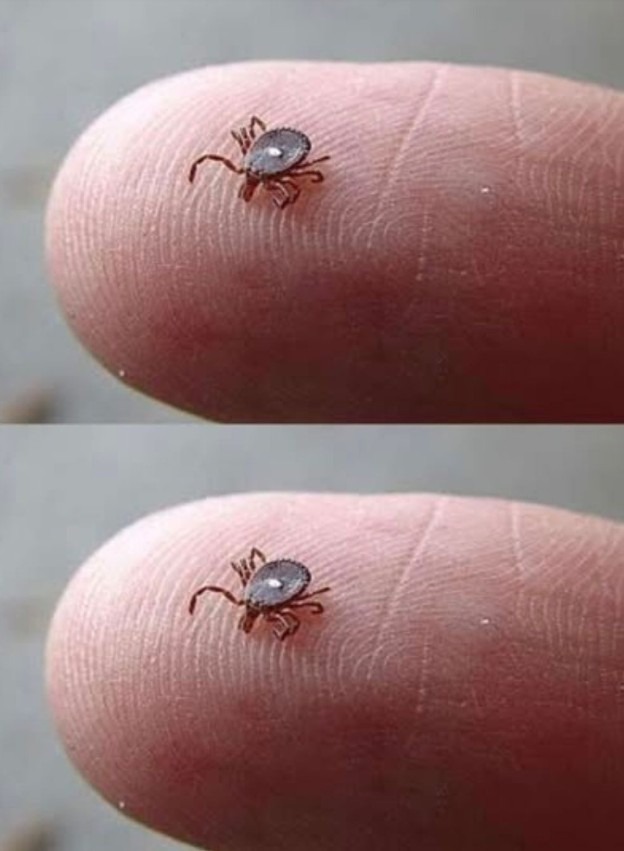
## Common Signs That an Insect Should Raise Concern
Continue reading…
Even if you’re not an entomologist, there are several red flags that should make you pause:
### 1. You’ve Never Seen It Before
If the insect looks unfamiliar — especially if you’ve lived in the area for years — that’s worth noting. Invasive species often stand out because they don’t resemble local insects.
### 2. It Appears in Large Numbers
A sudden surge of the same insect on trees, walls, or plants can signal a growing infestation.
### 3. It’s Damaging Plants or Trees
Wilting leaves, sticky residue, holes, or bark damage often point to destructive insects.
### 4. It’s Unusually Bold or Persistent
Some invasive or harmful insects show little fear of humans or return repeatedly to the same location.
### 5. Local Warnings Are Circulating
If you’ve seen recent alerts from local authorities or news outlets about a specific insect, take sightings seriously.
—
## Step 1: Do NOT Panic or Act Rashly
The first and most important step is to **stay calm**.
Many people instinctively squash insects on sight, spray chemicals, or attempt removal without understanding what they’re dealing with. In some cases, this can actually make the situation worse — spreading eggs, releasing toxins, or increasing risk of bites or stings.
Unless you are in immediate danger, **pause and assess**.
## Step 2: Observe Carefully (Without Touching)
Before doing anything else, take a moment to observe the insect: