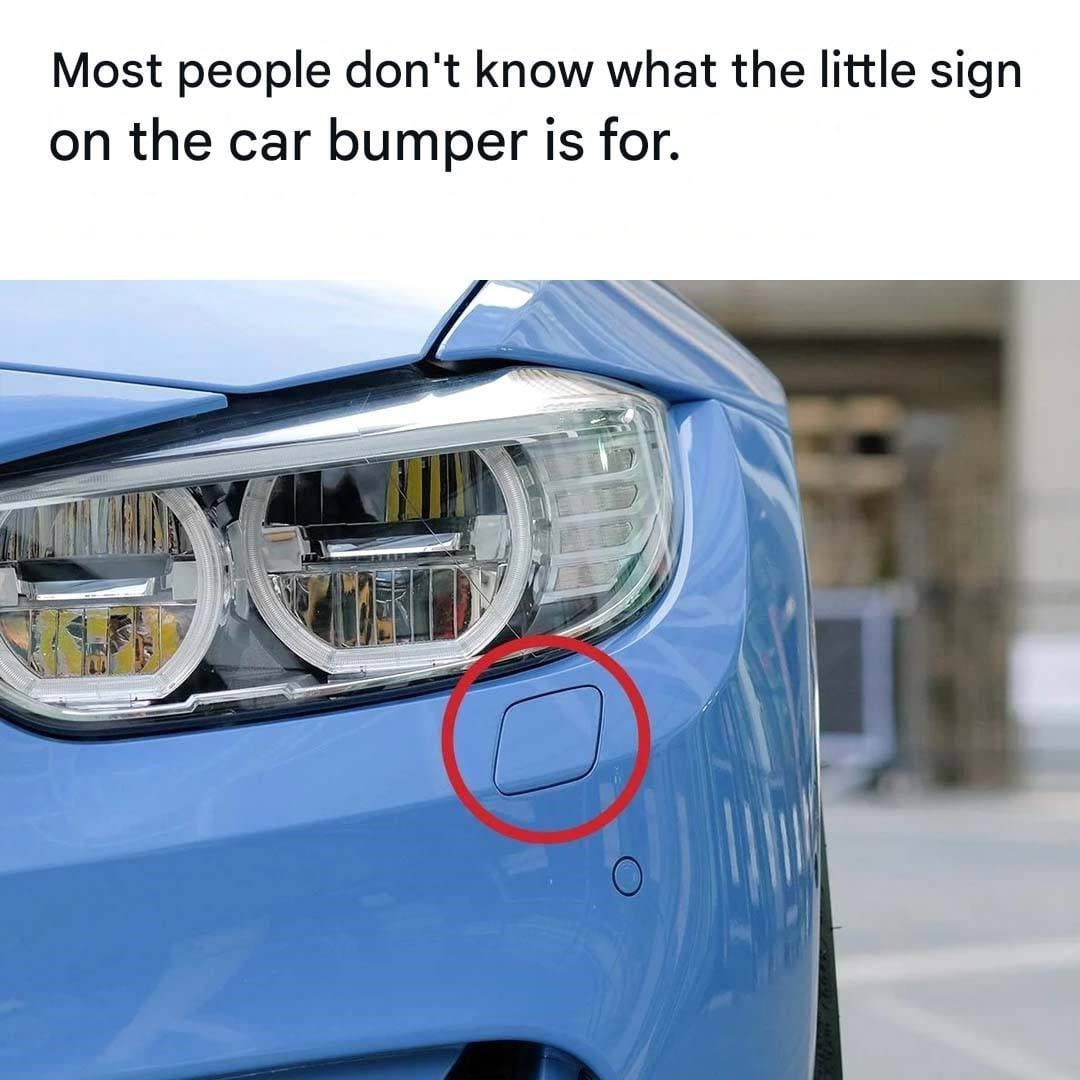
When you look at the front of almost any modern car, you’ll notice a small, often understated rectangular or square panel embedded somewhere on the bumper—usually on the lower front fascia, near the grille or license plate area. This little panel might seem insignificant or purely decorative at first glance, but it actually serves a very important and highly practical purpose.
This detailed article dives deep into what that little panel on the car’s bumper is for, why it exists, the technology behind it, and how it contributes to both vehicle safety and maintenance. From design nuances to real-world implications, by the end of this extensive guide, you’ll fully understand the critical role of this small but mighty feature on your vehicle.
Understanding the Little Panel on the Front Bumper: What Is It?
The little panel on the front bumper is commonly known as a tow hook cover or towing eye cover. While the terminology might vary slightly, its function is largely consistent across car manufacturers and models.
What Exactly Is a Tow Hook Cover?
In essence, the tow hook cover is a small removable panel or flap integrated into the front bumper. It conceals a threaded mounting point for a tow hook—a metal fixture that can be screwed into the vehicle’s frame to allow for towing or recovery if the car becomes immobilized.
The cover is designed to blend seamlessly with the bumper’s surface, maintaining the car’s aesthetic while protecting the underlying tow hook socket from dirt, debris, and corrosion.
Why Is This Panel Needed? The Practical Purpose of the Tow Hook Cover
1. Tow Hook Access Point
The primary function of the little panel is to provide easy access to the tow hook mounting point. When a vehicle gets stuck, breaks down, or needs to be towed for any reason, emergency responders, mechanics, or even the driver themselves can remove the cover and attach a tow hook or recovery strap securely.